en
en



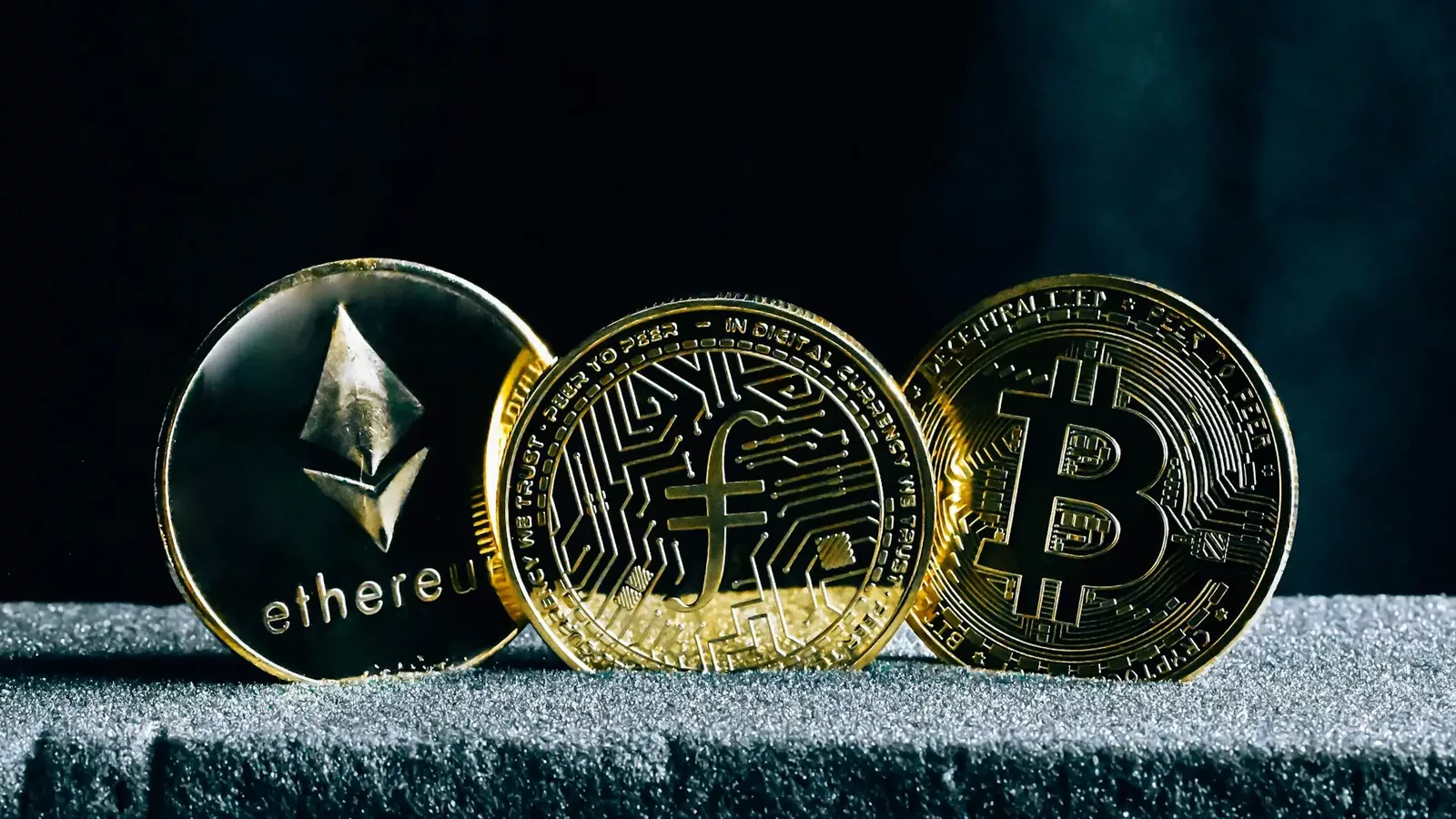
Learning how to buy crypto in 2026 is technically easier than it has ever been. A beginner can open an account, verify an identity, deposit regular currency and purchase Bitcoin, Ethereum or another cryptocurrency without understanding blockchains at an engineering level. The difficult part is no longer finding a Buy button. The difficult part is knowing what happens before and after pressing it.
Anyone figuring out how to buy crypto needs to make several decisions that can have a much bigger financial impact than the purchase itself. Which platform is available and appropriately authorised in the buyer’s jurisdiction? Is a bank transfer cheaper than a debit card? Does the displayed price include the spread? Should the cryptocurrency remain with the platform or move to a self-custody wallet? What happens if the wrong network or wallet address is selected?
Those questions matter because crypto remains a high-risk asset class. Prices can move dramatically, transactions can be difficult or impossible to reverse, protections vary between countries and platforms, and control of self-custodied assets ultimately depends on protecting private keys or recovery credentials. A simple rule should come before every first crypto purchase: never use money required for rent, debt payments, emergencies or other essential expenses.
This guide explains how to buy crypto for beginners from the first decision to the first secure purchase. It also covers costs, storage, scams, taxes, platform selection and the practical details that short buying guides often skip.
How to Buy Crypto in 2026 in 7 Steps
The simplest answer to how to buy crypto is to choose a legitimate platform available in your country, create and secure an account, complete any required identity verification, deposit funds, select a cryptocurrency, review the total cost and place an order. After buying, decide whether the asset should remain in platform custody or move to a wallet under your control. A beginner should understand every one of these steps before sending significant money.
Here is the basic process:
- Decide how much money you can afford to risk.
- Choose a reputable crypto platform available in your country.
- Create an account and enable strong security.
- Complete identity verification if required.
- Add a payment method and compare its total cost.
- Choose a cryptocurrency and place the order.
- Decide where and how the crypto will be stored.
The purchase itself can take only minutes after verification and funding are complete. The preparation should take longer, because choosing the wrong platform, payment method or storage arrangement can expose a beginner to unnecessary costs and risks.
| Step | What you do | What to check before continuing |
|---|---|---|
| 1 | Set a budget | Can the entire amount be lost without affecting essential expenses? |
| 2 | Choose a platform | Availability, regulatory status, security, fees and withdrawals |
| 3 | Secure the account | Unique password, MFA and official app or domain |
| 4 | Verify identity | Documents required and who receives the information |
| 5 | Deposit money | Deposit fee, card fee, bank fee and processing time |
| 6 | Buy crypto | Asset, order type, spread, trading fee and final amount |
| 7 | Choose storage | Platform custody, hot wallet or cold wallet |
Understanding how to buy crypto is therefore not just a payment tutorial. It is a chain of decisions, and security needs to remain part of that chain from the first account login to the eventual sale or transfer.
Step 1: Decide How Much Crypto You Can Afford to Buy
Before learning where or how to buy crypto, decide how much money can genuinely be exposed to a high-risk asset. Crypto prices can fall sharply and may remain below a purchase price for a long time. Some individual tokens can lose most or effectively all of their value.
There is no universal amount that a beginner should invest. Someone with $50 of genuinely disposable money is in a different financial position from someone with $5,000, and neither amount automatically makes a purchase sensible. Emergency savings, expensive debt, upcoming bills and short-term financial obligations should be considered before speculative investments.
A useful distinction is between money that is available and money that is risk capital. A bank balance may contain cash intended for next month’s rent, an insurance payment or an emergency fund, but that does not make the money appropriate for crypto. If losing the full purchase would create a financial emergency, the amount is too large.
For beginners researching how to buy crypto with a small amount, fractional ownership makes large nominal coin prices less important than they appear. It is not necessary to buy one whole Bitcoin or one whole Ether. Where supported by the platform, a buyer can purchase a fraction corresponding to the amount being invested.
Step 2: Choose Where to Buy Crypto
For most beginners, the easiest way to buy crypto is through a centralized crypto exchange or another regulated or appropriately authorised service available in their jurisdiction. Other routes include brokerages offering crypto exposure, payment applications, decentralized exchanges, peer-to-peer markets and crypto ATMs. These routes are not interchangeable because fees, custody, available assets and regulatory protections can differ substantially.
A beginner learning how to buy crypto should generally favor simplicity, transparency and security over access to thousands of obscure tokens. A platform with clear fees, strong account security, straightforward fiat deposits and withdrawals, and a verifiable legal entity is easier to evaluate than an unfamiliar service promoted through a social-media message. The fact that a website accepts deposits does not prove that it is licensed, trustworthy or even operated by the company it claims to represent.
Platform availability also changes by country. A service operating legally in one jurisdiction may offer fewer products in another or may not serve residents there at all. Always verify the platform’s current legal entity and regulatory status for your location rather than assuming a globally recognizable brand provides identical protections everywhere.
How to Choose a Crypto Exchange Before You Buy Crypto
A good place to buy crypto should make it reasonably easy to understand who operates the service, what it costs and what happens to customer assets. Do not choose an exchange because a creator posted a referral link or because an advertisement promises a bonus. The platform will potentially handle both personal identification data and money, so it deserves the same scrutiny as any other important financial service.
Before creating an account, check these factors:
- Availability in your jurisdiction. Confirm that residents of your country can legally use the specific service and products being offered.
- Regulatory status. Identify the legal entity serving your country and verify relevant registrations or authorisations where applicable.
- Security features. Look for multi-factor authentication, withdrawal protections, login alerts and clear account-recovery procedures.
- Fiat funding options. Check whether bank transfers, cards or other local payment methods are supported.
- Trading fees. Find the fee schedule instead of judging costs only from an advertised headline rate.
- Spread. Compare the quoted purchase price with the underlying market price where possible.
- Withdrawal fees. Check the cost of moving cryptocurrency off the platform.
- Supported networks. A coin available for trading may not be withdrawable through every blockchain network.
- Asset availability. Confirm that the cryptocurrency you intend to buy is actually supported in your region.
- Custody terms. Understand whether assets remain under platform control and what withdrawal conditions apply.
No single criterion proves that a platform is safe. A strong decision combines regulatory checks, security, transparent pricing, usable withdrawals and a clear understanding of which company actually holds the account.
Step 3: Create and Secure the Account Before You Buy Crypto
Anyone learning how to buy crypto should secure the account before depositing money, not after making the first purchase. Start from the platform’s official website or verified application-store listing rather than a link received through email, direct message, social media or an online advertisement. Phishing pages can imitate legitimate exchanges closely enough to capture passwords and other credentials.
Use a unique password that is not reused on email, banking or social accounts. Enable multi-factor authentication when available, and understand the platform’s account-recovery procedure before funds arrive. The email account connected to the exchange also needs strong protection because access to email can sometimes help an attacker reset other credentials.
Avoid sharing screenshots showing account balances, wallet recovery information or other sensitive details. Crypto-related impersonation and phishing scams frequently rely on convincing victims that an attacker is customer support, an exchange employee or another trusted party. Legitimate support should never need a wallet seed phrase or private key to solve an account problem.
Step 4: Complete KYC and Identity Verification
Many centralized platforms require identity verification before a user can buy crypto with fiat currency, withdraw funds or access higher transaction limits. This process is commonly known as Know Your Customer, or KYC. Depending on the provider and jurisdiction, verification can involve a government-issued identity document, personal details, a selfie or liveness check and sometimes proof of address.
The purpose is broader than simply proving that an account belongs to a real person. Financial services may use identity verification as part of anti-money-laundering, sanctions and fraud controls. Requirements differ by country, platform, product and transaction level, so one buyer may encounter a different verification process from another.
For a deeper explanation of identity verification, WeaveMoney has a separate guide covering the KYC process and the documents that may be requested.
Anyone deciding how to buy crypto should also consider where identification documents are being uploaded. Complete verification only through the platform’s genuine website or official application. A message asking for passport images, authentication codes or account credentials outside the normal verification flow should be treated cautiously.
Step 5: Choose How to Pay When You Buy Crypto
The cheapest way to buy crypto is not always the fastest way, and the fastest method is not always the cheapest. Common options include bank transfers, debit cards and other local payment methods, depending on the platform and country. Some services also support digital wallets or third-party payment processors.
Bank transfers can offer lower funding costs on some platforms but may take longer. Card purchases can be nearly instant but can include higher platform or processing fees. A third-party payment option can add another layer of charges or exchange-rate conversion.
This is why a beginner should compare the final amount of cryptocurrency received rather than only the deposit fee. A transaction advertised as having no commission can still include a spread between the market price and the price offered to the customer. “Zero fee” does not necessarily mean zero cost.
What Does It Really Cost to Buy Crypto?
The real cost of buying crypto can include more than one fee. Depending on the platform and method, a buyer may encounter a trading fee, spread, deposit fee, card-processing charge, currency-conversion cost and later a blockchain or withdrawal fee. Not every transaction includes every cost, but all relevant charges should be checked before confirmation.
| Cost | When it can appear | Why it matters |
|---|---|---|
| Trading fee | When the order executes | Directly reduces the amount purchased |
| Spread | Built into the quoted buy/sell price | Can make an apparently cheap trade more expensive |
| Deposit fee | When adding fiat currency | Depends on payment method and provider |
| Card fee | When paying by debit or credit card | Can be higher than bank funding |
| FX conversion | When account and payment currencies differ | Adds another cost before the crypto purchase |
| Withdrawal fee | When moving crypto off-platform | Important for small purchases |
| Network fee | When making an on-chain transfer | Varies by blockchain and network activity |
For a $20 purchase, a few dollars of combined costs can consume a significant percentage of the investment. For larger transactions, percentage-based spreads and trading fees become increasingly important. Always review the final transaction preview before confirming how to buy crypto through a particular payment route.
Should You Buy Crypto With a Credit Card?
Using borrowed money to buy a volatile asset adds debt risk to investment risk. Even if a platform accepts a credit card, the card issuer may treat the transaction differently from an ordinary retail purchase, and interest or other charges can make losses more painful. Availability also varies by issuer and jurisdiction.
Suppose $1,000 of crypto falls 40%. The asset is now worth about $600 before selling costs, but a borrower can still owe the original card balance plus applicable interest and fees. The investment loss does not make the debt disappear.
For that reason, understanding how to buy crypto should begin with available risk capital rather than access to credit. A volatile investment should not be treated as a solution to insufficient cash.
Step 6: Decide Which Cryptocurrency to Buy
Learning how to buy crypto does not answer which cryptocurrency to buy. Bitcoin, Ether, stablecoins, meme coins, utility tokens and thousands of smaller assets can have radically different purposes, supply structures, liquidity and risk profiles. A familiar ticker or low unit price does not make an asset suitable for a beginner.
Before purchasing a cryptocurrency, understand what the asset represents and why it exists. Check its supply structure, market capitalization, liquidity, trading history, network, major use cases and whether there are material technical or regulatory risks. For tokens, verify the genuine asset carefully because fraudulent tokens can imitate legitimate names and symbols.
One common beginner mistake is assuming that a coin costing $0.01 has more upside than one costing $1,000. Unit price alone says almost nothing about valuation because cryptocurrencies have different supplies. WeaveMoney’s penny cryptocurrency list explains why market capitalization, supply and liquidity provide far more context than the number printed next to one token.
A $0.01 token with 100 billion units circulating represents roughly $1 billion of circulating market value. A $100 token with one million units circulating represents roughly $100 million. The cheaper-looking coin in this simplified example is actually valued ten times higher by market capitalization.
Step 7: Place Your First Crypto Order
Once the account is funded and the asset has been researched, buying crypto usually involves selecting the cryptocurrency, entering an amount, choosing an order type where available and reviewing the transaction. Beginners should not rush through the preview screen. It is the last opportunity to check the asset, amount, price, fee and expected quantity before the purchase executes.
For someone learning how to buy crypto for the first time, a small transaction can be useful for understanding the interface and actual costs. There is little benefit in committing a large amount before seeing how deposits, purchases and withdrawals work on the chosen platform. A small first transaction cannot remove market risk, but it can limit the financial impact of an operational mistake.
After execution, verify that the correct asset appears in the account and save any records needed for personal accounting or tax purposes. The next decision is custody, which is just as important as the purchase.
Market Order vs Limit Order When You Buy Crypto
A market order generally prioritizes immediate execution at the best available prices, while a limit order specifies a price or better at which the buyer is willing to trade. A market order is simpler but does not guarantee one exact execution price, particularly when liquidity is limited or prices are moving quickly. A limit order offers greater price control but may never execute.
| Order type | Main advantage | Main drawback | Typical beginner use |
|---|---|---|---|
| Market order | Fast execution | Final price can differ from the last displayed price | Simple small purchases in liquid markets |
| Limit order | Greater price control | Order may remain unfilled | Buyers willing to wait for a chosen price |
For highly liquid assets and small orders, the difference may sometimes be modest, but it should still be understood. For thinly traded cryptocurrencies, the order book and available liquidity can have a much larger effect on execution.
How to Buy Crypto With $10, $50 or $100
It is often possible to buy crypto with a relatively small amount because many platforms support fractional purchases. The minimum transaction depends on the service, payment method and asset, so there is no universal $10 minimum. A person can therefore gain exposure to Bitcoin without buying an entire Bitcoin.
Small purchases create one special problem: fixed fees can represent a large percentage of the transaction. If buying $20 costs $2 in combined fees and spread, 10% of the starting capital has effectively disappeared before the market moves. A later withdrawal charge can reduce the amount further.
Someone learning how to buy crypto with $50 or $100 should therefore compare percentage costs carefully. Starting small can reduce the dollar impact of mistakes, but starting so small that fees dominate the transaction can also be inefficient.
What Happens After You Buy Crypto?
After you buy crypto, the asset will normally appear in the account used for the purchase unless it is automatically transferred elsewhere. At that point, the buyer must decide whether to leave it with the platform or move it to a personal wallet. That decision determines who controls the credentials needed to access the assets.
Keeping cryptocurrency with a centralized provider can be convenient. The user logs into an account while the provider handles the underlying custody infrastructure. The trade-off is dependence on that provider’s security, operational stability, withdrawal policies and legal arrangements.
Self-custody changes the risk rather than eliminating it. A personal wallet gives the holder greater direct control, but losing or exposing the recovery credentials can lead to permanent loss. There is no storage option that removes every risk.
How to Store Crypto Safely After You Buy It
Anyone researching how to buy crypto should learn storage at the same time. A crypto wallet does not usually hold cryptocurrency in the same way a physical wallet holds cash. It manages the keys or credentials that allow assets recorded on a blockchain to be controlled.
The three broad arrangements beginners commonly encounter are platform custody, software or “hot” wallets, and hardware or “cold” wallets. Each has advantages and trade-offs. The appropriate choice depends on the amount held, frequency of use, technical knowledge and individual threat model.
| Storage method | Convenience | Main risk | Better suited to |
|---|---|---|---|
| Exchange/platform custody | High | Dependence on provider and account security | Active users and smaller operational balances |
| Hot wallet | High to medium | Device compromise, phishing and recovery mistakes | Regular on-chain use |
| Hardware/cold wallet | Medium to low | Seed loss, physical loss and setup errors | Longer-term self-custody by informed users |
For an example of the buying and wallet process around a specific asset, the WeaveMoney guide on how to buy and store Shiba Inu Coin covers exchange access and cryptocurrency storage in more detail.
Self-custody should not be treated as automatically safer merely because an exchange is removed from the equation. Someone who cannot securely protect a recovery phrase, verify addresses or distinguish genuine wallet software from phishing may introduce new risks by moving funds.
What Is a Seed Phrase and Why Does It Matter?
A seed or recovery phrase can provide the information needed to restore access to a self-custody wallet. Anyone who obtains the recovery credentials may be able to gain control over the associated assets. That makes the phrase far more sensitive than an ordinary account password.
Do not send a seed phrase through email, messaging applications or online support chats. Do not enter it into a website because someone claiming to be customer support asks for it. Avoid storing an unencrypted photograph or screenshot in a cloud photo library where account compromise could expose it.
No legitimate stranger needs a seed phrase to send cryptocurrency to you. A request for recovery credentials is a major warning sign.
How to Transfer Crypto to a Wallet Without Losing It
To move cryptocurrency from an exchange to a personal wallet, the destination address and blockchain network must be compatible with the asset being transferred. Crypto transfers are generally not like card payments with a simple chargeback process. A mistake can result in assets becoming difficult or impossible to recover.
Before transferring a significant amount, verify the asset, network and destination address independently. Copy-and-paste is safer than manually typing a long address, but the pasted address should still be checked because malicious software can potentially replace clipboard contents. Where economically sensible, a small test transaction can confirm that the setup works before a larger transfer.
Network selection deserves particular attention. The same asset can sometimes exist or be supported across multiple networks, and an exchange may offer several withdrawal options. Do not choose a network merely because its fee is lower unless the receiving wallet or service explicitly supports that asset on that network.
How to Buy Crypto Safely Without Falling for a Scam
The safest way to buy crypto begins with controlling where the purchase process starts. Use the official website or verified application of the chosen provider, independently confirm the domain, and be suspicious of unsolicited messages offering investment help. Scammers can impersonate exchanges, customer-support representatives, government agencies, celebrities and even friends.
Urgency is a recurring warning sign. A message claiming that an account must immediately be “secured” by transferring crypto to another wallet should not be trusted merely because the sender knows personal details. Likewise, guaranteed returns, secret investment groups and promises to multiply crypto are not normal features of legitimate investing.
Be especially cautious when someone insists that cryptocurrency is the only acceptable payment method. Crypto transfers can be difficult to reverse, which makes them attractive to fraudsters. A stranger who tells you to buy crypto and immediately send it to an address they control is not teaching you how to invest – they are trying to gain control of your money.
10 Crypto Scam Red Flags to Check Before You Buy
Crypto scams change their presentation, but many rely on the same psychological tactics. Before buying or transferring an unfamiliar asset, slow the process down and check whether any of these warning signs appear.
- Guaranteed profit. No legitimate crypto investment can guarantee a positive return.
- Pressure to act immediately. Artificial urgency is designed to prevent verification.
- Unsolicited investment messages. Treat unexpected DMs offering trading opportunities with extreme caution.
- Requests for a seed phrase. Anyone with recovery credentials may gain control of a wallet.
- Fake customer support. Scammers frequently impersonate real services.
- A demand for crypto-only payment. This is especially suspicious when connected to taxes, fines, government agencies or account problems.
- An unknown exchange recommended by a stranger. A professional-looking website does not prove legitimacy.
- Fake investment dashboards. Numbers on a website do not prove that real assets exist or can be withdrawn.
- Extra payments required to unlock withdrawals. Repeated “tax,” “verification” or “release” fees can be part of an advance-fee scam.
- Promises of unusually high returns with little or no risk. High potential return and low risk do not normally coexist.
A useful security habit is to create friction deliberately. Stop, verify the company independently, check the address and ask why the transaction must happen immediately. Scammers benefit from speed; verification benefits the buyer.
How to Buy Crypto in the EU in 2026
Buying crypto in the European Union in 2026 increasingly takes place within the Markets in Crypto-Assets, or MiCA, framework. MiCA established harmonised EU rules covering certain crypto-assets, issuers and crypto-asset service providers. The transition has also made the exact legal entity serving a customer more important than the brand name displayed on an app.
A beginner deciding how to buy crypto in the EU should verify whether the provider serving the account is authorised for the relevant crypto-asset services. Do not assume that every company within an international corporate group has identical authorisation. The entity serving an EU customer can matter for the protections that apply.
Regulation also does not make cryptocurrency risk-free. Asset prices can still collapse, liquidity can disappear and operational or security problems can still occur. Regulatory authorisation should be treated as one part of platform due diligence, not as a guarantee that an investment will be profitable or protected from loss.
How to Buy Crypto in the UK
UK consumers learning how to buy crypto should pay particular attention to risk warnings and the regulatory status of the service being used. Direct crypto investments remain high-risk, and protections can differ significantly from those associated with traditional bank deposits or conventional investments. The ability to access a platform does not by itself establish that every service offered through it is protected.
Crypto promotions directed at UK consumers are subject to financial-promotion rules, but a compliant advertisement does not turn the underlying asset into a low-risk investment. Buyers still need to assess volatility, liquidity, custody and the possibility of losing the full amount committed.
This makes the same basic process essential: verify the provider, understand the product, review all costs, secure the account and never assume that regulation protects against market losses.
How to Buy Crypto in the US
US buyers can access cryptocurrency through several types of services, including crypto trading platforms and some traditional financial providers. Availability depends on the asset, state, platform and product. Buyers should verify the status of a provider and understand that crypto holdings do not automatically receive the protections associated with a conventional insured bank deposit.
Tax recordkeeping is also important from the first purchase. Buying crypto with dollars is only one part of the lifecycle; later selling, exchanging or spending digital assets can have tax consequences. Keeping transaction histories, acquisition dates, quantities, prices and fees can make later reporting considerably easier.
Anyone learning how to buy crypto in the US should therefore treat recordkeeping as part of the purchase rather than something to reconstruct years later.
Do You Pay Tax When You Buy Crypto?
Tax rules depend on the country and the type of transaction. Simply purchasing cryptocurrency with fiat money may be treated differently from selling it, exchanging one cryptocurrency for another, receiving crypto as income or using it to buy goods and services. Because rules vary by jurisdiction, generic crypto advice should never be assumed to answer an individual’s tax obligations.
In the United States, digital assets are treated as property for federal income-tax purposes, and selling digital assets for dollars can create a reportable capital gain or loss. In the European Union, tax rules still depend substantially on the relevant member state, while crypto-asset reporting and transparency requirements continue to develop. Other countries use their own classifications and reporting rules.
Keep transaction records even if no immediate tax appears due when the purchase is made. The easiest time to record cost basis, fees and transaction details is when the transaction happens, not years later when records may be harder to reconstruct.
Should You Buy Crypto All at Once or Over Time?
A buyer does not have to commit an intended crypto allocation in one transaction. Some people divide purchases across scheduled intervals, an approach often called dollar-cost averaging. This reduces dependence on choosing one exact entry date but does not guarantee a profit or protect against a prolonged decline.
A lump-sum purchase creates immediate exposure to the market. If the price rises soon afterward, more capital participated in the increase; if the price falls, the entire allocation experiences the decline. Periodic buying spreads entry prices over time but can result in buying at progressively higher prices during a rising market.
The better choice depends on financial circumstances, risk tolerance and the purpose of the allocation. The important point for someone learning how to buy crypto is that there is no requirement to predict the perfect day, hour or minute before participating.
12 Mistakes to Avoid When Learning How to Buy Crypto
Most beginner mistakes happen because the purchase feels easier than the underlying asset actually is. A simple interface can hide complex custody, pricing and security decisions. Understanding these mistakes before the first transaction is cheaper than learning them afterward.
- Buying because the price is rising quickly. Recent gains do not guarantee continued gains.
- Using money needed for essential expenses. Crypto can lose value rapidly.
- Choosing a coin because its unit price is low. Supply and market capitalization matter.
- Ignoring the spread. The visible trading fee may not represent the full cost.
- Buying with expensive debt. Interest can compound investment losses.
- Skipping account security. Secure the account before depositing funds.
- Trusting a platform from a social-media message. Verify the provider independently.
- Sending a large wallet transfer without checking the network. Blockchain mistakes can be difficult to reverse.
- Sharing recovery credentials. A seed phrase can provide control over self-custodied assets.
- Assuming regulation means no risk. Regulation cannot prevent an asset price from falling.
- Buying something that cannot be explained clearly. Complexity is not evidence of quality.
- Keeping no transaction records. Taxes and accounting become harder later.
Avoiding these mistakes will not make cryptocurrency predictable. It simply removes several risks that have nothing to do with whether the market moves up or down.
How to Buy Crypto for the First Time – A 60-Second Checklist
Before the first purchase, a beginner should be able to answer a short set of questions without guessing. If several answers are unclear, there is no reason to rush the transaction. Crypto markets operate continuously, and missing one purchase opportunity is generally less damaging than sending money somewhere that was not properly understood.
Check the following:
- Can the full amount be lost without affecting essential expenses?
- Is the platform available and appropriately authorised or registered where required in the buyer’s jurisdiction?
- Is the website or app genuine?
- Is multi-factor authentication enabled?
- Is the cryptocurrency itself understood?
- Are the trading fee, spread and payment costs known?
- Is the correct asset being purchased?
- Is there a plan for custody after the purchase?
- If transferring, are the wallet address and network correct?
- Are transaction records being saved?
If those ten questions have clear answers, the buyer understands much more than simply how to press Buy. That preparation cannot remove crypto risk, but it can prevent many avoidable beginner errors.
Is Buying Crypto Worth It in 2026?
Whether buying crypto is appropriate depends on the individual, the asset and the role it would play within broader finances. Crypto can provide exposure to blockchain-based networks and digital assets, but that exposure comes with substantial volatility, custody considerations, regulatory uncertainty and the possibility of significant or complete loss. There is no universal cryptocurrency or allocation that is right for every person.
A useful question is not simply “Will this coin go up?” Ask what the asset does, why demand might exist, what could cause that demand to disappear, how liquid the market is, who controls supply, where the asset will be stored and how a major decline would affect personal finances. If those questions cannot be answered, the purchase is being driven more by hope than understanding.
Learning how to buy crypto is therefore only the first stage. Knowing when not to buy, how much not to risk and how to protect what has already been purchased can matter even more.
FAQ About How to Buy Crypto
To buy crypto as a beginner, choose a reputable platform available in your country, create and secure an account, complete required identity verification, add a payment method, select a cryptocurrency and review all fees before placing the order. After buying, decide whether to use platform custody or transfer the asset to a personal wallet.
The safest practical approach to buying crypto is to use a legitimate platform, verify its regulatory status where applicable, access it only through its official website or app, enable multi-factor authentication and understand all fees before purchasing. Never share private keys or recovery phrases.
If the selected platform supports debit cards in your country, add the card as a payment method, choose the cryptocurrency and purchase amount, then review the fee and final exchange rate before confirming. Card purchases can be convenient but may cost more than bank-funded transactions.
Choose a crypto platform that supports bank funding in your jurisdiction, complete account verification, connect or use the provided banking instructions and deposit funds. Once the deposit settles, those funds can generally be used to place a crypto order.
Compare the full transaction cost rather than only the advertised trading commission. Bank funding and standard exchange trading interfaces can sometimes cost less than instant card purchases, but fees vary by platform, country, asset and transaction size.
The minimum depends on the platform and cryptocurrency. Many services allow fractional purchases, so buying an entire Bitcoin or Ether is unnecessary. Check whether fees make a very small transaction uneconomical.
Often, yes, provided the platform's minimum order is $10 or less. However, fixed transaction or withdrawal costs can represent a large percentage of a very small purchase.
Not always. Centralized platforms commonly provide custodial account infrastructure that allows cryptocurrency to be bought without setting up a separate self-custody wallet. A separate wallet becomes relevant when a user wants to control the keys directly or use assets on-chain.
No cryptocurrency can be described as universally safe. Risk differs by asset, and even large, liquid cryptocurrencies can experience substantial price declines. Market history, liquidity, supply, network security and use case should all be considered.
Large cryptocurrencies with broad availability and deep liquidity are generally easier to access than obscure tokens, but ease of purchase does not make an asset suitable or low-risk. Beginners should understand an asset before buying it.
Bitcoin is one cryptocurrency, while crypto is the broader category containing many blockchain-based digital assets. Bitcoin was the first successful decentralized cryptocurrency, but thousands of other coins and tokens now exist.
Buy the asset on a platform that permits withdrawals, obtain the receiving address from a compatible wallet, select the correct blockchain network, verify the address carefully and initiate the withdrawal. For a significant amount, consider a small test transfer first when fees make that practical.
Yes. An individual cryptocurrency can lose most or effectively all of its market value, and losses can also result from scams, compromised credentials, platform failures or self-custody mistakes. Never assume that a low price limits the percentage an asset can fall.
Exchange custody can be convenient, but it creates dependence on the provider and the security of the user's account. Self-custody removes some third-party dependence while creating responsibility for protecting private keys and recovery credentials. Neither option eliminates all risk.
Some decentralized or peer-to-peer systems may operate differently from centralized platforms, but legal and identity-verification requirements vary by jurisdiction and service. Avoid using unfamiliar services simply to bypass verification, because doing so can introduce significant fraud, security and regulatory risks.
Potential costs include trading fees, spreads, deposit or card charges, foreign-exchange conversion, withdrawal fees and blockchain network fees. The exact combination depends on the platform, payment method, asset and transaction.
A market order prioritizes execution and is straightforward for small purchases in liquid markets, while a limit order gives the buyer more control over the maximum purchase price but may not execute. The better choice depends on liquidity, urgency and price sensitivity.
Cryptocurrency rules differ by country, asset and service. Buying and holding crypto is permitted in many jurisdictions, but platform requirements, available products, taxation and regulatory protections vary. Check the current rules applicable to the buyer's location.
Buying cryptocurrency with fiat currency may not itself create the same tax consequences as selling, exchanging or spending it, but rules vary by jurisdiction. Keep complete records from the first purchase so later gains, losses and taxable transactions can be calculated accurately.
Confirm that the correct asset and amount appear in the account, save the transaction record and decide how the cryptocurrency will be stored. If transferring to self-custody, verify the wallet, network and address carefully before sending funds.
The biggest mistake is treating the transaction as easier than the risk behind it. Buying can take seconds, while understanding the asset, platform, fees, custody, scams and potential losses takes much longer. The goal is not simply to complete a purchase but to understand exactly what is being bought and what can go wrong.